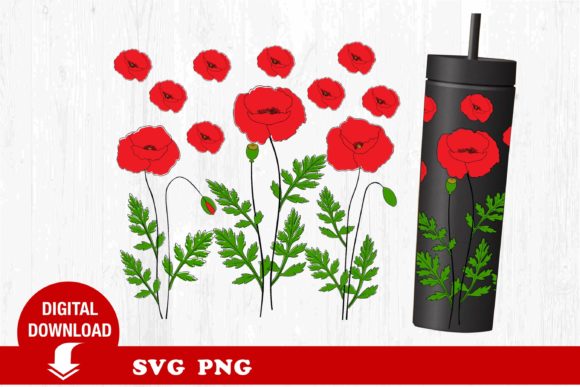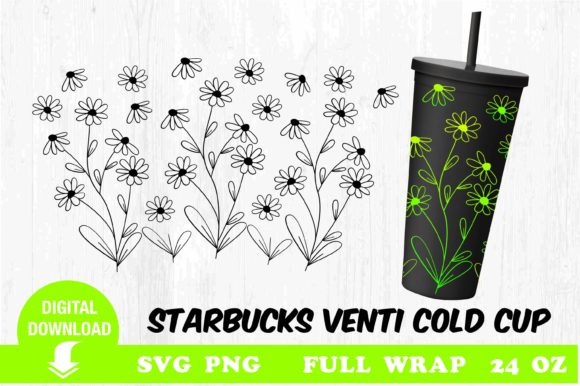
Tumbler SVG: Wildflowers Graphics & Print Templates
As a blog designer who’s built over 200 editorial websites and managed visual content for digital publishers across lifestyle, education, and affiliate niches, I test every graphic design asset against real publishing workflows—not just aesthetics. When I first opened Tumbler SVG: Wildflowers. Flower SVG, my instinct wasn’t “pretty” but “Where does this earn its place in a live article layout?” The answer came fast: it’s a soft-focus editorial accent with quiet confidence—neither overly decorative nor sterile. It leans into warmth, organic texture, and gentle movement—ideal for blogs centered on mindful living, botanical education, seasonal wellness, slow creativity, or small-batch product storytelling.
This isn’t bold typography or high-contrast branding—it’s a visual pause. The wildflower motif reads as approachable, grounded, and subtly feminine without leaning into cliché. It avoids the hyper-saturated “craft fair” look or the clinical minimalism that flattens personality. Instead, it supports content where tone matters as much as information: think a newsletter about herbal tea pairings, a downloadable guide to native pollinators, or a Pinterest pin for “spring journaling prompts.” That mood directly affects reader trust—soft naturalism signals care, intention, and authenticity, which readers increasingly scan for before clicking or subscribing.
Where Tumbler SVG: Wildflowers. Flower SVG Earns Its Keep in Real Publishing
In practice, this graphic design asset shines when integrated into high-visibility, emotionally resonant touchpoints:
- Blog featured images—especially for evergreen posts like “10 Wildflowers You Can Grow in Pots” or “How to Style a Botanical Newsletter Header”
- Pinterest pins with layered text overlays (the SVG’s open negative space accommodates clean typography)
- Digital guides and lead magnets—used as corner accents, dividers, or cover motifs for printable designs
- Newsletter headers and email banners that balance brand consistency with seasonal freshness
- Category thumbnails on resource libraries or course dashboards (e.g., “Botany Resources” or “Creative Printables”)
- Canva templates for content creators building branded social media graphics or workshop handouts
- Website headers and hero sections for niche sites focused on gardening, nature writing, or holistic education
What makes it perform? It strengthens visual hierarchy without competing with text. It improves click-through potential on social feeds by offering warmth amid algorithmic noise. And because it’s delivered as both SVG and PNG, it scales cleanly across devices—critical for responsive editorial design. Unlike raster-only assets, the SVG ensures crisp rendering on Retina displays, high-DPI printables, and dynamic layouts where resizing is non-negotiable.
Where This Design Asset Supports Content Marketing—and Where It Doesn’t
Tumbler SVG: Wildflowers. Flower SVG works best where visual identity meets emotional resonance: in content upgrades, downloadable resources, and social media graphics aimed at audiences seeking calm, curiosity, or creative grounding. It elevates digital product presentation—think eBook covers for “Wildflower Journaling Prompts” or worksheet bundles for educators teaching plant-based science.
But it’s not universal. Avoid using it as a primary element in text-heavy blog graphics, where fine floral details vanish at thumbnail size. Steer clear on low-contrast backgrounds—its delicate linework loses definition against light grays or cream. It feels out of place in corporate finance blogs, legal resource hubs, or B2B SaaS dashboards demanding razor-sharp clarity. And while lovely for small business branding, it shouldn’t anchor serious professional niches like medical publishing or technical documentation unless intentionally softened for patient-facing or educational sub-brands.
Publisher Notes: Testing Before You Publish
Before embedding Tumbler SVG: Wildflowers. Flower SVG into your next campaign, run these checks:
- Preview it inside your actual blog theme—does it align with your header spacing, font weights, and color palette?
- Test readability: overlay headline text in serif, sans serif, script, and display fonts—does contrast hold up?
- Check thumbnail performance: shrink it to 300px wide—do stems and petals remain legible or blur into abstraction?
- Verify file optimization: compress the PNG without banding; confirm the SVG loads instantly (under 5KB is ideal for web performance)
- Review licensing: this is a digital download—no physical item ships—and includes both SVG and PNG files. It’s cleared for personal use and commercial design, including affiliate marketing visuals, digital guides, and printable designs you sell—but always double-check the seller’s commercial license terms before monetizing.
One final note: try it in grayscale. Does the composition retain depth and rhythm? If yes, it’s versatile enough for accessible design and print-ready workflows. Pair it beside handwritten fonts for warmth, or next to tight sans serifs for intentional contrast—it bridges styles without forcing harmony.
Why This Fits Real Editorial Workflows
In today’s content-saturated landscape, readers decide in under two seconds whether to stay, scroll, or share. A well-chosen graphic design asset like Tumbler SVG: Wildflowers. Flower SVG doesn’t just decorate—it signals: “This piece was made with attention. This brand values craft. This content respects your time and taste.” That subtle credibility boost ripples across affiliate marketing pages, newsletter signups, and digital product launches. It’s not flashy—but in editorial design, restraint, cohesion, and context-awareness are what separate polished publications from visual clutter.
For bloggers, online educators, and creative entrepreneurs building audience trust through consistent, human-centered visuals, this isn’t just another clipart download. It’s a quietly capable print template and graphics asset—one that earns its place across your website header, your most-shared Pinterest pin, and the lead magnet that converts curious scrollers into loyal readers.