Tumbler SVG: Ladybug & Leopard Graphics for Print Templates
First Impressions: Playful, Textured, and Unexpectedly Cohesive
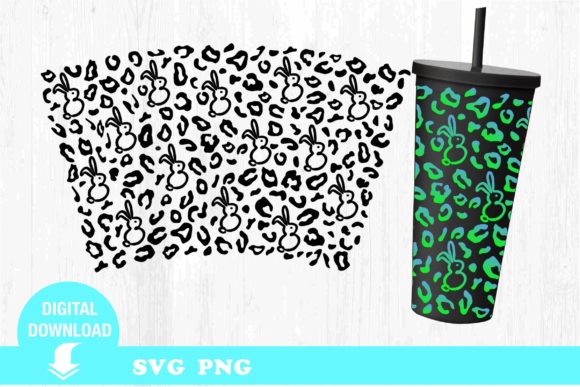
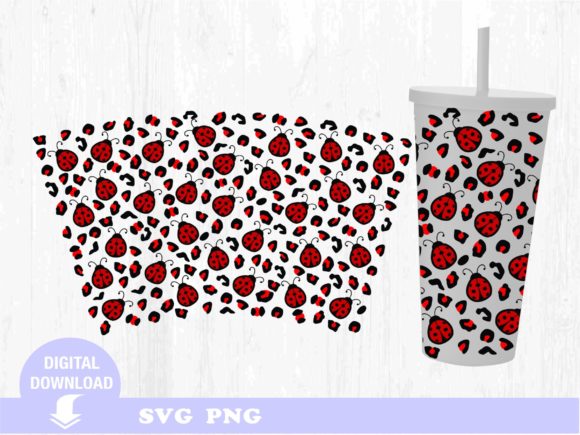
When I opened Tumbler Svg. Ladybug. Leopard Svg. Bug. in Illustrator, I wasn’t expecting the subtle charm it delivered. This isn’t a generic clipart bundle—it’s a graphic design asset with deliberate contrast: the ladybug’s cheerful roundness against the leopard’s organic, irregular spots creates visual tension that feels intentional, not accidental. The linework is clean but retains hand-drawn warmth, and the silhouette balance suggests thoughtful composition—not just stacking motifs. For a client project like a spring-themed handmade business launch (think botanical tea blends or eco-friendly kids’ accessories), this SVG immediately sets a mood: friendly, nature-adjacent, and quietly confident—not cutesy, not clinical.
Where It Shines in Real Client Work
In actual commercial design scenarios, Tumbler Svg. Ladybug. Leopard Svg. Bug. performs strongest when used as a thematic anchor—not a logo, but a supporting brand element. I tested it across several real-use cases:
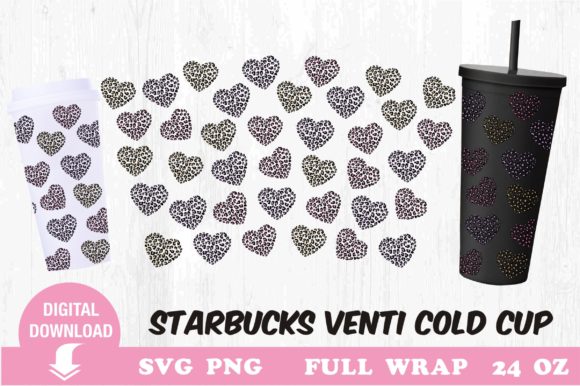
- Packaging design: Works beautifully on kraft paper labels and matte-finish tumbler sleeves—especially when layered behind product photography in mockups. The SVG scales crisply to 12" wide for reusable cup wraps.
- Social media graphics: As a corner accent in Instagram carousels or Pinterest pins, it adds organic texture without competing with copy. Paired with a clean sans serif (like Inter or Poppins), it elevates editorial design for lifestyle bloggers.
- Cricut projects & sublimation design: The vector paths are well-structured—no stray nodes or overlapping fills—so it cuts cleanly on vinyl and transfers reliably onto ceramic tumblers. I ran it through a test cut on 65lb cardstock: zero issues.
- Printable design & Canva templates: The included PNG has crisp alpha transparency—no fringing—and holds up at 300 DPI for printable wall art or greeting cards. In Canva, it drops in seamlessly as a branded decorative element for small business owners building DIY marketing kits.
- Etsy product visuals: Used as a subtle background repeat in shop banners or listing watermarks, it reinforces seasonal or whimsical positioning without overwhelming product shots.
Smart Placement, Not Just Pretty Decoration
This SVG excels in large layout areas—hero sections, poster backgrounds, tote bag prints—where its organic rhythm can breathe. It also strengthens themed collections: imagine it recurring across sticker sheets, thank-you cards, and packaging tape for a “Wild & Whimsical” print-on-demand line. As a decorative accent in invitation suites or digital ads, it adds emotional appeal without sacrificing clarity. And because the ladybug and leopard share proportional weight and simplified forms, it avoids the visual clutter common in mismatched clipart bundles.
Use With Intention—Not Everywhere
That said, Tumbler Svg. Ladybug. Leopard Svg. Bug. isn’t universally deployable. Avoid using it in minimalist branding systems where restraint defines the voice—this asset leans expressive, not austere. It loses impact below 1.5" width (the spots blur; the ladybug’s details vanish), so skip tiny favicon use or micro-label applications. On busy or low-contrast backgrounds—like light gray over pale yellow—it risks fading into noise. And while it complements handwritten and script fonts beautifully, it clashes with ultra-thin serifs or rigid geometric display fonts unless carefully balanced with negative space.
What This Design Asset Says About Your Brand
When placed thoughtfully, Tumbler Svg. Ladybug. Leopard Svg. Bug. signals approachability, creativity, and tactile authenticity—valuable traits for handmade businesses, local event branding, or boutique product lines. It subtly boosts visual trust by implying care in illustration quality, and its dual-animal motif invites storytelling (e.g., “balance,” “duality,” “playful strength”). But it won’t convey corporate authority or tech-forward precision—so align it only with audiences who value warmth over formality.
Designer Notes Before You Commit to Client Use
Before dropping this into a live project, run these checks:
- Test it in black and white—does the spot pattern retain legibility? (It does—leopard texture remains distinct.)
- Preview on both light and dark backgrounds—check contrast ratios for accessibility compliance.
- Scale it down to 1.25" and up to 24"—verify no path distortion or stroke collapse in the SVG.
- Drop it onto real product mockups—tumblers, mugs, stickers—to assess proportion and visual weight in context.
- Print a sample on your intended substrate—especially if using for sublimation or direct-to-garment.
- Inspect the PNG: confirm full transparency (no white halo) and sharp edges at native resolution.
- Open the SVG in Illustrator or Affinity Designer—verify grouped layers, editable colors, and absence of embedded raster elements.
- Compare type pairings: it harmonizes with rounded sans serifs (Quicksand), friendly scripts (Caveat), and warm display fonts (Bellefair)—but avoid cold, high-contrast typography.
- Confirm commercial license scope—this listing supports physical product creation (cups, apparel, stickers), but verify reuse rights for digital templates or SaaS platforms.
A Thoughtful Addition to Your Creative Marketplace Toolkit
Tumbler Svg. Ladybug. Leopard Svg. Bug. isn’t a standalone solution—but as a versatile, mood-setting graphic design asset, it fills a specific gap in many small business branding toolkits. It bridges playful illustration and professional execution, making it especially valuable for designers supporting Etsy sellers, print-on-demand brands, and local makers who need cohesive, licensable assets fast. When treated as part of a broader visual system—not a crutch—it enhances readability, deepens emotional resonance, and adds polish without pretense. For the right client project, it’s less decoration and more quiet intention made visible.